
Hudson Valley Mouse Control & Rodent Exclusion
Eco Mouse Pest Control provides mouse inspections, trapping, monitoring and structural exclusion for homes and businesses throughout the Hudson Valley. We identify activity, explain what we found and build a plan for the property.
Traps address activity. Exclusion addresses access.
A mouse problem can continue when the openings that brought mice inside are never identified. Our process starts with the structure: where activity is concentrated, how mice may be traveling and which accessible openings should be corrected.
Mouse control
Interior snap traps, monitoring devices and exterior stations may be used depending on the building, activity level and service agreement. Placement is based on inspection findings—not guesswork.
Mouse exclusion
Accessible gaps and structural openings are documented and sealed with materials selected for the location. Exclusion may include foundations, siding, utility penetrations, thresholds, garage areas and roofline conditions.
Real properties. Hands-on work.
See the details behind Eco Mouse inspections and exclusion work—from rooflines and garages to decks and structural openings.
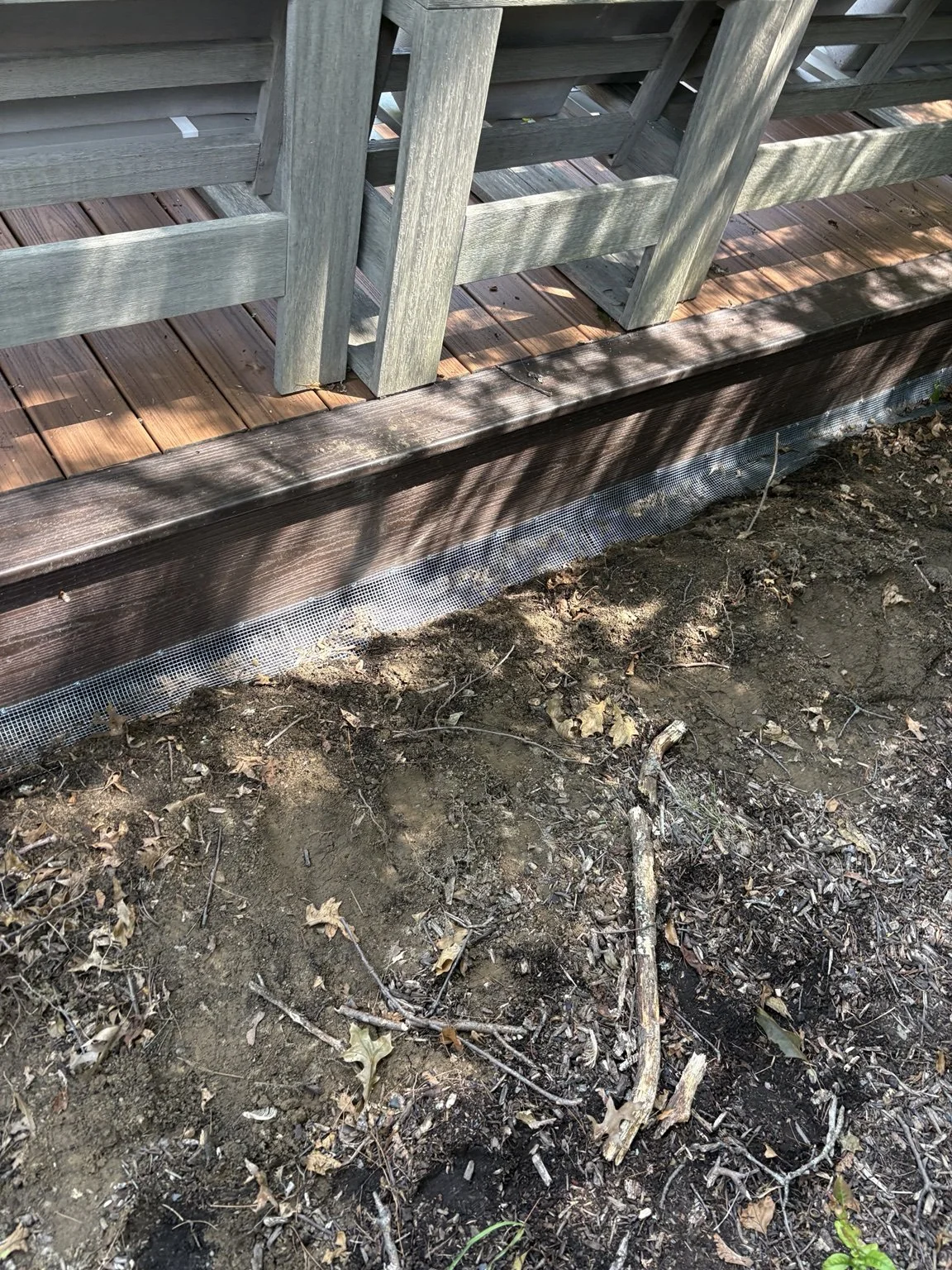
Structural exclusion details
A close look at the structure and ground-level openings where exclusion materials are fitted.

Roofline inspection and sealing
Roof edges and chimney junctions are checked for openings and conditions that need attention.
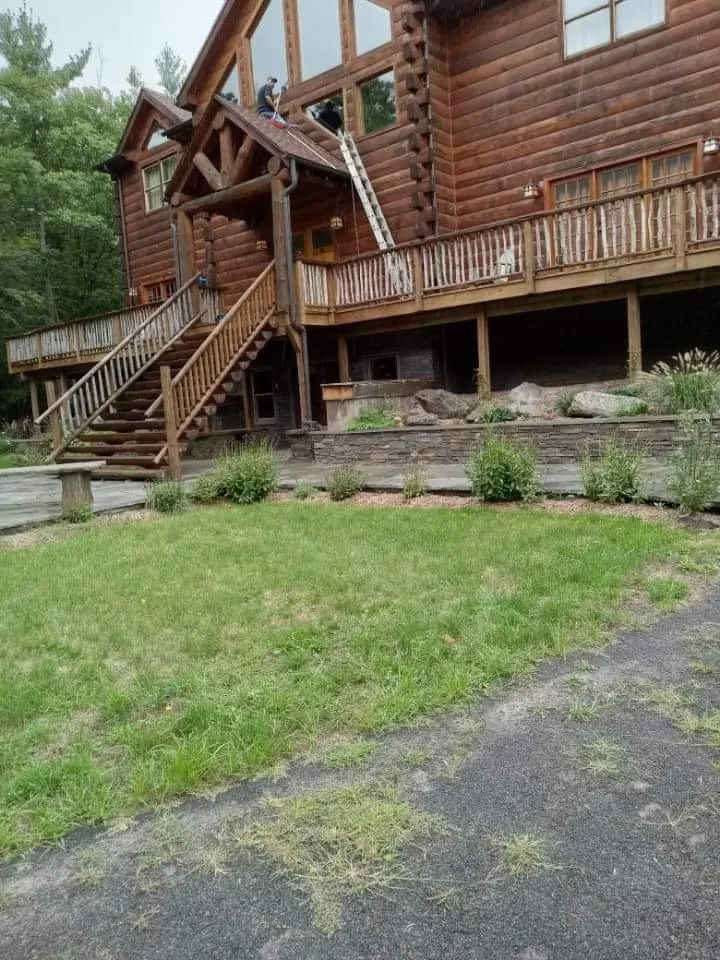
Deck and foundation access
Decks and the spaces beneath them are part of a thorough exterior inspection.
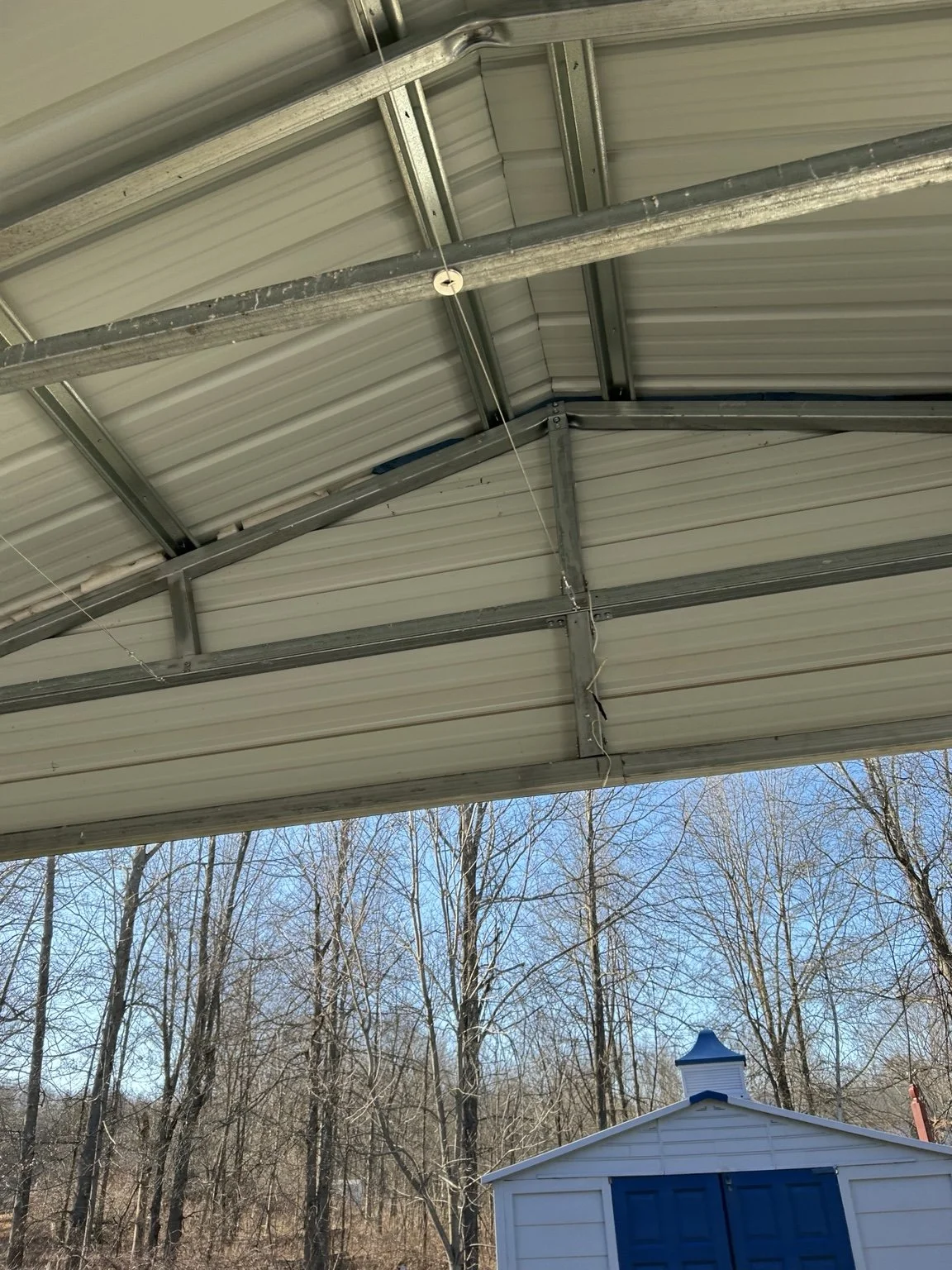
Garage entry-point inspection
Garage doors, framing and surrounding openings deserve attention during a property inspection.
A clear quote for your property.
Mouse control and exclusion use inspection-based pricing. Cost depends on the level of activity, building size, accessible entry points, materials and follow-up work. Tell us your town and send photos of the problem to discuss the next step.
Know what is included
Your proposal identifies the agreed treatment, openings to be sealed and any included follow-up visits. Inspection or visit charges are explained before scheduling; additional work is quoted before it begins.
Plan for the next visit
Review the follow-up schedule and any written warranty terms with Angelo. Membership benefits and eligibility are explained separately; treatments and exclusion work are individually priced.
Small clues can point to a larger route through the building.
Mouse activity is often noticed in kitchens, basements, garages, attics, crawlspaces and storage areas. Contact us when you notice any of these conditions:
From inspection to follow-up, you know what happens next.
Every property has different construction, access and activity. Your recommendation is based on the conditions we can inspect.
Inspect
We review interior activity and accessible exterior conditions.
Explain
You receive findings, options and pricing before work begins.
Control
Devices are selected and placed for the observed activity.
Exclude
Approved accessible entry points are sealed where included.
Monitor
Follow-up timing is stated in your proposal or service agreement.
Where we look for openings.
Ground level
- Foundation gaps
- Siding transitions
- Utility penetrations
- Crawlspace openings
- Door thresholds
- Garage-door edges
Upper structure
- Soffit and fascia conditions
- Roof intersections
- Vents and exterior lines
- Additions and attached decks
- Chimney junctions
- Accessible construction gaps
Some openings may be concealed, inaccessible or connected to construction that requires another trade. Those conditions are explained when identified.
Work directly with Angelo.
Angelo Caccoma owns Eco Mouse Pest Control and is a licensed certified applicator. Customers can ask questions about the evidence found, the devices being used, the openings recommended for sealing and the follow-up schedule. Service reports keep the plan clear after the visit.
Mouse control across the Hudson Valley.
Service is available in communities throughout Dutchess, Ulster, Orange, Putnam, Columbia and Greene counties. Availability depends on route distance, property access and service type.
Straight answers before you schedule.
What is the difference between mouse control and mouse exclusion?
Mouse control focuses on current activity through trapping, monitoring or exterior stations when appropriate. Exclusion focuses on correcting accessible openings mice may use to enter. Many properties benefit from a plan that addresses both.
How small of an opening can a mouse use?
Mice can use gaps roughly one-quarter inch wide. Openings around pipes, siding, doors, foundations and roof transitions deserve careful inspection.
How long does mouse service take?
Timing depends on activity, building size, access and the selected plan. The inspection establishes the starting point, and the proposal explains the expected follow-up schedule.
Are follow-up visits included?
Included visits and charges depend on the service selected. Your written proposal or service agreement states the follow-up terms before work begins.
Can you remove a dead mouse?
Accessible carcass removal may be included or quoted depending on location and site conditions. Animals inside closed walls, inaccessible voids or building systems may require additional work.
Do you provide commercial mouse control?
Yes. Programs are available for restaurants, offices, apartments and managed properties, with service documentation and monitoring based on the facility.
Hearing scratching or finding droppings?
Tell us what you are seeing, where the activity is happening and what town the property is in. We will help you choose the right starting point.